



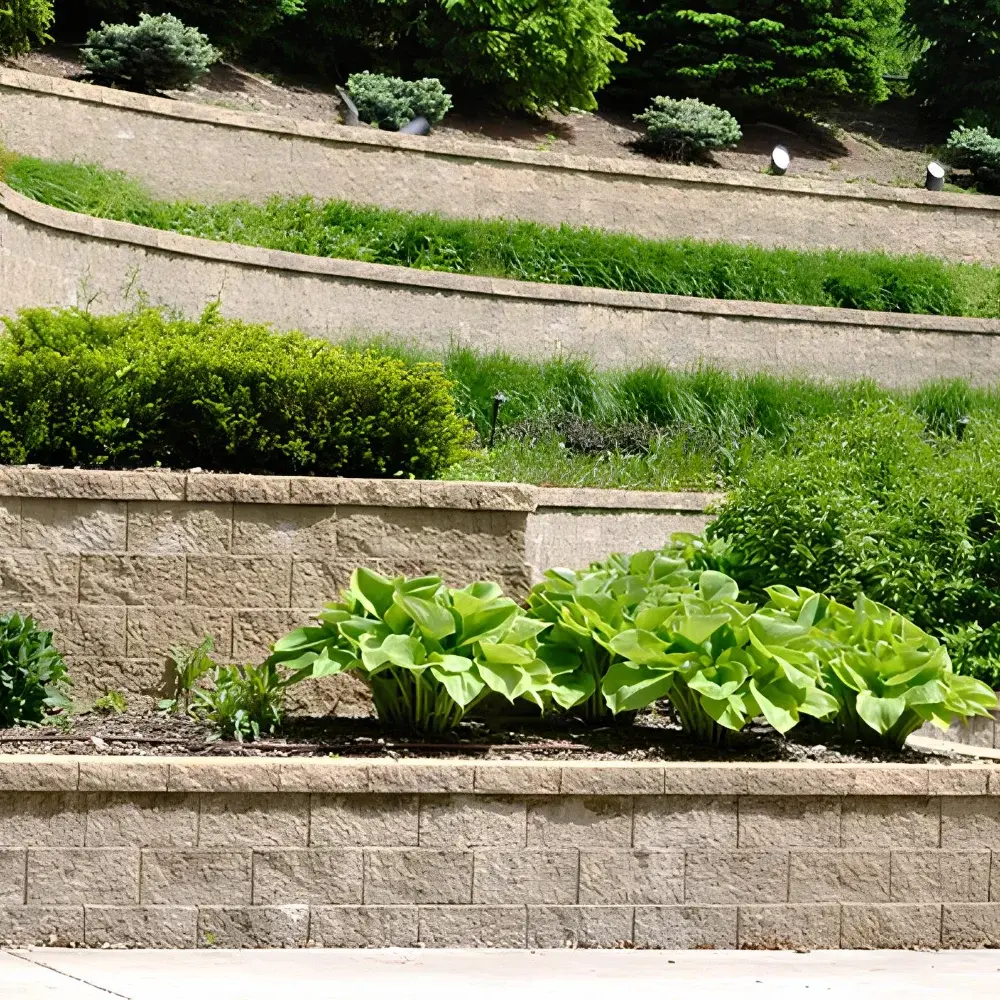
A slope that loses soil every time it rains, a yard that can not be leveled without one section collapsing into another, a driveway edge that keeps eroding — these are the problems a retaining wall solves. The wall holds material back, redirects water, and gives the landscape a stable surface to build on. But building one that actually works over time is not a straightforward job, and that is exactly where a retaining wall contractor earns its place.
This guide explains what the work involves, when it is needed, and what sets a capable contractor apart from the rest.
What a Retaining Wall Actually Does
A retaining wall holds a mass of soil or other material in place where gravity would otherwise move it downhill. On a sloped property, that means turning a yard that drains away from itself into a series of level surfaces. On a flat property, it means creating defined edges around patios, garden beds, or driveways that hold their shape through weather and seasonal ground movement.
Without a properly built wall, erosion works steadily. Slopes lose topsoil, patios sink at the edges, and landscaping installed one season often needs replacing the next. A well-built wall stops that cycle at the source.
When Homeowners Need a Retaining Wall Contractor
Not every property needs one, but the need is usually clear when it appears. A skilled contractor makes sense when the land or the project presents conditions that basic grading cannot fix on its own.
- Sloped lots where usable outdoor space is limited and level areas need to be created
- Erosion on slopes that causes soil to wash away during rain or snowmelt
- Patio or driveway edges that need a defined boundary to stay stable over time
- Construction on or near slopes where surrounding soil needs to be held back safely
- Landscaping projects that involve raised beds, terraced gardens, or defined planting zones
In Omaha, the freeze-thaw cycle that comes with Nebraska winters puts real stress on any wall that was not designed and built to handle it. A retaining wall contractor understands how frost affects soil pressure and builds the drainage and footing details that keep the wall from heaving, cracking, or tilting over years of use.
Site Assessment and Planning
Before any material goes in the ground, the job starts with a close look at the site. A retaining wall contractor assesses the slope, the soil conditions, the drainage patterns, and what the wall needs to support. That assessment determines the wall type, the height, the footing depth, and how drainage will be managed behind the structure.
Getting this part right matters more than almost anything else. A wall built without understanding the water movement behind it will eventually fail under hydrostatic pressure, no matter how well the face looks on installation day.
Materials and Wall Types
The right material depends on the application, the aesthetics, and the load the wall needs to hold. A retaining wall contractor works across a range of material options to match the right solution to each site.
- Stone for a natural look that integrates well with landscaping and garden areas
- Gravity walls for lower heights where the weight of the wall itself does the work
- Concrete and masonry-based systems for heavier loads and more engineered applications
Drainage behind the wall is just as important as the face material. Gravel backfill, drain tile, and weep holes manage the water pressure that builds up over time, and a contractor who skips these details is building a wall that will require intervention sooner rather than later.
Permitting and Code Compliance
Retaining walls above a certain height require permits in most jurisdictions, and Omaha is no different. A retaining wall contractor handles the permitting process, which includes submitting the right documentation and making sure the design meets local structural requirements before work begins.
Attempting to build without a permit on a wall that needs one creates problems down the road, from difficulty selling the property to liability if the wall ever shifts or fails. A contractor who manages this step correctly removes those risks from the start.
How the Installation Unfolds
The actual build follows the site work in a clear sequence. The crew excavates to the correct depth for the footing, prepares the base, sets the first course of material level and plumb, and builds upward with the drainage layer installed behind each course as the wall rises.
Post-installation, the area is graded to direct surface water away from the wall base, and any landscaping, patio work, or construction that the wall supports can proceed on a stable foundation.
Wymore Deck & Fence Handles Retaining Wall Projects Across Omaha, NE
Wymore Deck & Fence serves as a retaining wall contractor for homeowners across Omaha and the surrounding area, handling residential retaining walls for landscaping, erosion control, sloped lots, patios, and construction projects. If you need a wall that holds up through Nebraska winters and years of use, reach out to talk through what your property needs. Call +1 402 290 3715 to get started.